
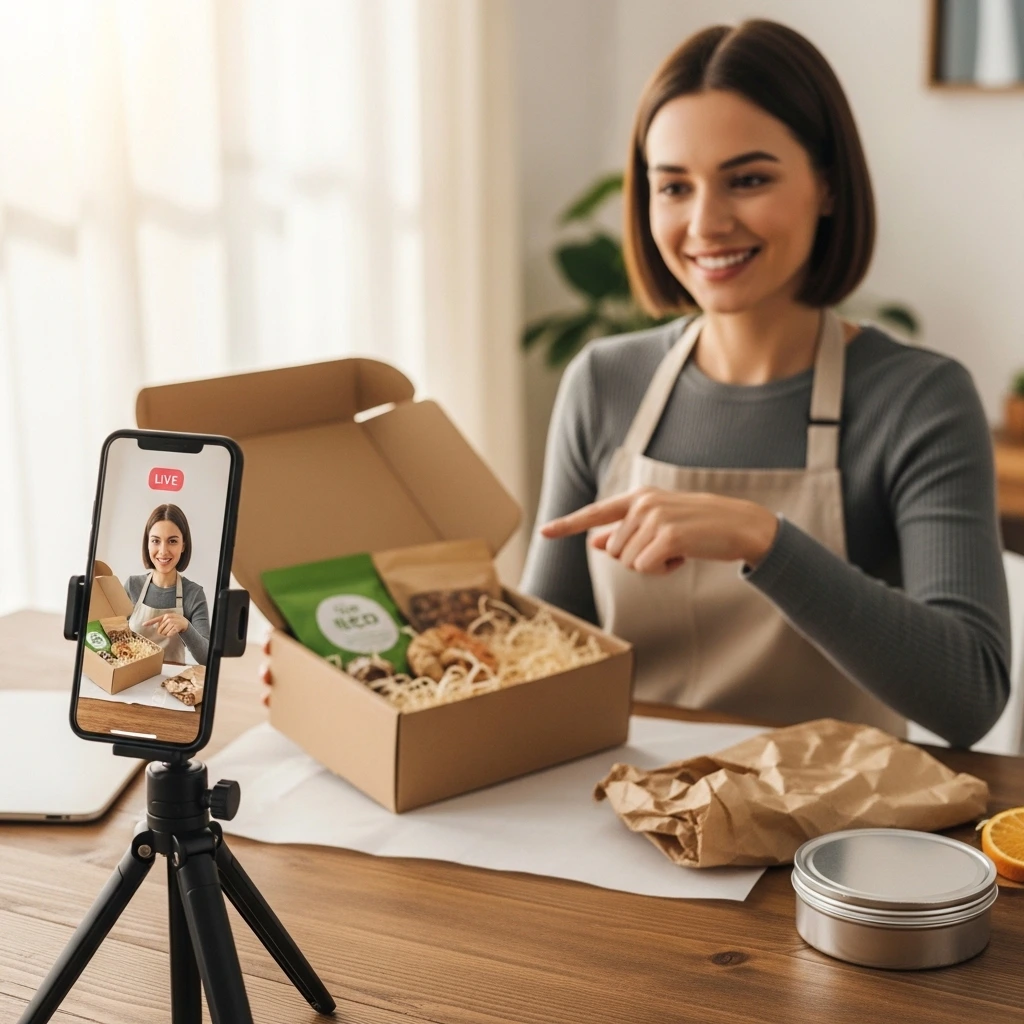
If you don’t believe you need a Lululemon belt bag, Scrub Daddy sponges, or a Revlon one-step hair dryer, your social media feed may persuade you differently. These are just two sold-out goods that went viral owing to #TikTokMadeMeBuyIt. Since its introduction, the hashtag has had over 129 billion views.
Social media has evolved into social commerce, a trend that began even before TikTok, owned by Chinese business ByteDance, introduced its shop function last year. According to Census data, e-commerce sales accounted for more than 15% of total sales in the second quarter of 2024, with sales value increasing by 9% from the same period the previous year.
However, TikTok’s frictionless purchasing experience, which includes live streams and movies that allow—and even encourage—viewers to make purchases straight within the app via the “shop” button, has been a game-changer. According to a 2024 poll conducted by social media forecaster eMarketer, the emergence of e-commerce, which forces consumers to base their purchasing decisions on social media ads and promotional videos, has had a significant impact on Gen Z’s shopping habits. Just over two-thirds of Gen Zers believe they’re likely to make an in-app purchase on TikTok, compared to less than one-fifth of social media users across all generations.
In theory, the developers of social media networks intended them to facilitate interpersonal connections rather than commerce. However, like Facebook Marketplace, TikTok and Instagram are expanding their position as merchants. TikTok’s shop function allows millions of users to buy a variety of items, including household goods and $10 “Taylor Swift for President” flags—but it may be ruining what consumers love about the app in the process.
TikTok has turned the app into a virtual mall by integrating the TikTok Shop in the main feed, allowing product videos created by TikTok influencers to appear while users shop. The feature has changed the curated material on the app’s “For You Page” into “a scrolling infomercial,” and some media critics perceive it as a departure from the app’s original purpose of caution and credibility in favor of overt selling. It’s also a triumph for TikTok, which charges a commission to third-party sellers.
But how does that affect shopping? Skellup studied data from PYMNTS, eMarketer, and others to show how social media influences young consumers’ shopping patterns.
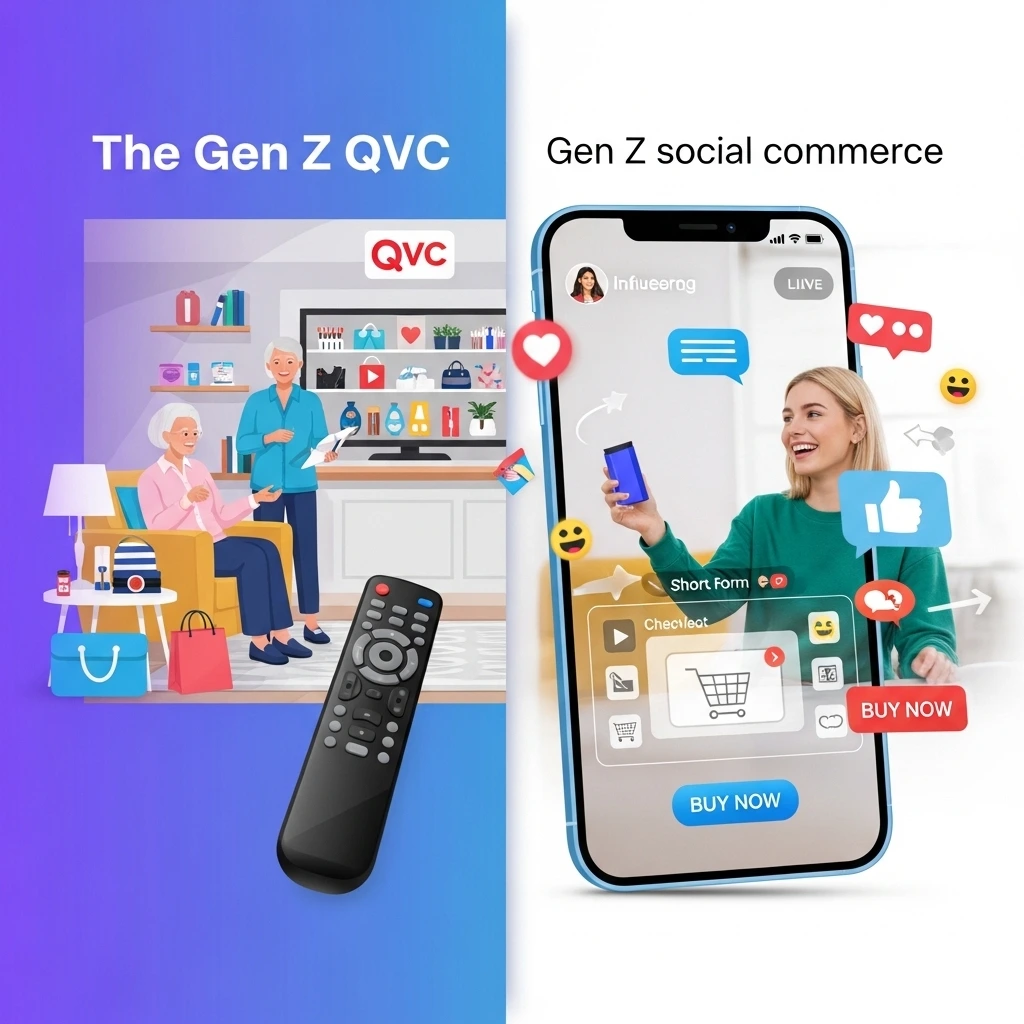
When scrolling leads to shopping
To online buyers, dialing the 1-800 number on the television to buy whatever gadget or cosmetic product is being promoted on air may appear out of date. However, the method perfected by network shopping channels such as QVC and HSN, which give an in-home shopping experience based on connections, special deals, huge names, and even bigger personalities, shares many similarities with Canvas Beauty. The cosmetics firm generated a record-breaking $1 million in sales following a six-hour live video on TikTok Shop, demonstrating that if you can capture someone’s attention, you might be able to capture their money as well.
There are startling similarities and sharp variations in how various generations spend their money, especially in an age where every social media site is a virtual shopping mall. This comprehensive integration begs the question: Are these new platforms different from older ones for Gen X and baby boomers, or is it simply a new medium delivering the same message: sell, sell, sell?
The younger generation’s reliance on influencers and user-generated content makers has resulted in a flood of new marketing methods. Keeping purchases in-house generates a lot of revenue for applications that take commissions from third-party sellers. The profit potential is so great that TikTok was willing to lose money in 2023 when it launched in the United States and upped seller fees.
In some ways, TikTok Shop still has an untapped audience. While older generations are less likely to make direct purchases from social media, they are more established and have significant spending power.
The data also shows significant age disparities in a brand’s approach to sustainability and social justice. HubSpot’s 2024 Consumer Trends Report discovered that younger customers are more interested in ethical buying. They respect environmentally friendly items and prefer to shop at companies that advocate for social problems such as racial justice, LGBTQ+ rights, gender inequity, and climate change. Conversely, the majority of baby boomers believe that businesses should not take a strong stand on social problems.
While Gen Z and millennial customers are more engaged in virtual marketing and online buying than baby boomers, who continue to let TV commercials and retail outlets dictate what they buy, boomers spend more per purchase, according to a Whop survey conducted in 2024.
TikTok Shop’s popularity indicates a new trend that will undoubtedly affect all generations: the complete merging of shopping and entertainment. Despite the platform’s continuous expansion, the pendulum may swing back if commerce ever completely overtakes interaction.
Consider the growth and fall of Instagram Live Shopping, which debuted in 2020 and was relatively successful. However, its revenues and engagement quickly dropped, and Instagram removed the feature in 2023. Instagram’s CEO, Adam Mosseri, noted in a video post that by deprioritizing retail, the service could center on its aim to “bring people together” around themes of connection and creativity, rather than turning a community-focused app into a protracted infomercial.
Gen Z is the first generation to experience a completely realistic virtual marketplace. Who knows if the inexorable and never-ending cycle of products will age with them as they get older? In this regard, boomers may have an advantage over Generation Z: at least with shopping networks and infomercials, you can always switch the channel.