Both influencer marketing and management tools continue to expand. With a CAGR of 28.6% from 2023 to 2032, the worldwide influencer marketing market is expected to expand to USD 199.6 billion by 2032, giving marketers more options than ever.
It’s simple to get lost in a sea of influencer agencies, markets, and platforms, all of which promise effectiveness, reach, or affordability, whether you’re starting your first campaign or growing an existing one.
However, what is the true distinction between them? Which choice best suits your goals, team size, and budget? All of that is covered in this article.
Key Takeaways
- Influencer agencies do everything for you, but they are the most expensive alternative.
- Marketplaces allow marketers to engage directly with influencers, typically at no cost or at a low cost.
- All-in-one influencer platforms combine discovery, management, and analytics in one place.
- The optimum decision is determined by your budget, internal resources, and campaign volume.
- You may execute efficient influencer marketing without employing an agency by using low-cost self-service platforms.
Why do brands outsource influencer marketing?
Running influencer campaigns internally can be time-consuming. From researching creators and performing outreach to developing briefs, managing contracts, and tracking results, the process quickly adds up. That is why many brands rely on external partners or platforms for assistance.
Outsourcing allows teams to focus on strategy and creative direction while specialists or technology does the tough lifting. For brands trying to scale and cooperate with various creators, this assistance is crucial.
Top 5 Advantages Of Outsourcing Influencer Marketing.
1. Access to expertise: Agencies and platforms know how to effectively negotiate, brief, and manage creators.
2. Outsourcing saves time by eliminating hours of manual research and outreach to influencers.
3. Data-driven decisions: Several platforms include performance dashboards and campaign data.
4. Scalability: You can conduct numerous campaigns at once without overwhelming your crew.
5. Access to vetted creators: Marketplaces pick influencers based on verified metrics and audience analytics. Collabstr also provides free tools to determine whether influencers have false followers or to assess their engagement rates.
- TikTok Engagement Calculator
- Instagram Engagement Calculator
- TikTok Fake Follower Checker
- Instagram Fake Follower Checker

What Is The Definition Of An Influencer Marketing Agency?
An influencer marketing agency is a full-service partner who manages campaign strategy, influencers, content, and reporting from beginning to end.
Typical services include:
- Influencer research and selection
- Creative briefing and content approval
- Contracts and negotiations
- Campaign reporting and analytics.
Working with influencer marketing agencies is perfect for brands seeking a turnkey solution, particularly when launching high-profile or large-scale initiatives.
However, agencies come at a premium price. Campaign costs can range from $10,000 to more than $100,000, depending on deliverables, influencer tiers, and management fees. That is why many small businesses consider alternatives to employing an influencer agency.
Alternatives to hiring an influencer agency
Many brands want to know how to do influencer marketing without an agency. Fortunately, there are now numerous flexible, low-cost options available.
Here are three major approaches:
1. Influencer marketplaces: You can communicate directly with creators and handle the collaboration yourself.
2. All-in-one influencer solutions automate discovery, outreach, and reporting from a single dashboard.
3. Hybrid tools: Certain platforms integrate self-service software with optional managed services.
Let’s look into these influencer marketing solutions.
Influencer Marketing Platforms vs Influencer Marketplaces
While influencer platforms and marketplaces are frequently grouped, they serve unique functions — and some solutions now mix the best of both worlds.
| Feature | Influencer Platform | Influencer Marketplace | Hybrid Options |
| Definition | Software for managing influencer campaigns from start to finish (discovery, outreach, and analytics) | A hub where companies and influencers can communicate directly. | Some solutions, like Skellup, incorporate both: a marketplace and management tools. |
| Best for | Teams executing recurring campaigns need automation and analytics. | Startups or small brands are testing influencer marketing. | Hybrid systems are suitable for both small and growing teams. |
| Pricing | Usually, subscription-based. | Often pay-per-collaboration; occasionally free. | Hybrid systems may provide flexible pricing (membership plus per-collaboration). |
| Level of support | Automated workflows, CRM, and analytics | Self-service; little support | Hybrid platforms frequently include optional managed support. |
| Example use case | Scaling numerous campaigns with data-driven insights | Booking one-off collaborations. | Platforms like Skellup allow you to accomplish both efficiently. |
What are the top influencer marketing platforms?
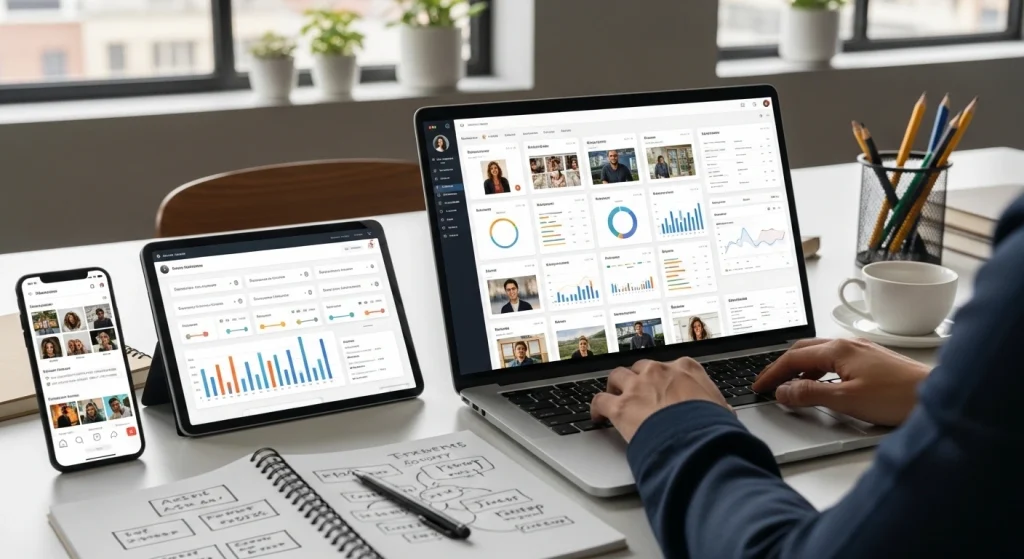
If you want a robust all-in-one influencer platform, look for capabilities such as creator, search, outreach automation, campaign management, and analytics.
Some of the major influencer platforms in 2025 are:
Skellup is the greatest all-in-one influencer platform designed for startups and small enterprises. Start searching without creating an account!
Aspire is a comprehensive influencer marketing software for large e-commerce teams.
GRIN – An enterprise-level solution that interfaces with e-commerce and CRM software.
Each has unique capabilities based on your brand’s objectives, size, and budget.
What Are Low-Cost Influencer Marketing Options?
If you have a restricted budget or want to test the waters first, there are various low-cost influencer marketing solutions that provide a high ROI.
- Micro-influencer collaborations: Partner with micro influencers (10,000-100,000 followers) for more engagement and reduced rates (an average of $198 per cooperation).
- Influencer marketplaces: Skellup, Trend.io, and Influencity enable you to locate and hire influencers directly, without incurring hefty upfront expenditures or agency contracts.
- Product gifting campaigns: Rather than compensated collaborations, provide free things in exchange for honest content and reviews.
- Affiliate partnerships: Pay influencers per sale or lead to save upfront costs.
- UGC (User-Generated material): Hire creators to create branded material for use in commercials and social media. Many brands are turning to UGC creators since they are inexpensive.
These strategies are ideal for startups, direct-to-consumer firms, and small businesses looking to experiment with influencer marketing before committing to greater spending.
Frequently Asked Questions
Which is the greatest influencer marketplace for startups?
Collabstr is a platform developed specifically for entrepreneurs, with transparent pricing, vetted creators, and no monthly fees. You only pay when you book an influencer, so it’s excellent for those with limited funds.
Are there any influencer marketplaces that do not charge fees?
Yes. Some influencer marketplaces allow marketers to view and contact creators for free. Others impose a minor transaction fee (often less than 10%) to cover secure payment and platform protection.
How can I conduct influencer marketing without using an agency?
Use a self-service influencer marketplace or platform. These technologies enable you to locate, manage, and pay influencers directly, giving you control and cost savings while also providing automation and analytics.